Is stump grinding enough to stop a tree completely? It’s a valid concern, especially when you go through the trouble of removing a problematic specimen.
As a long-serving provider of dependable tree services in Henning, MN, we at Tree Trimmers are here to demystify the more hidden aspects of your living landscape.

What Is Stump Grinding?
Do tree roots die after stump grinding? In most cases, yes, and that’s actually a primary purpose of this process.
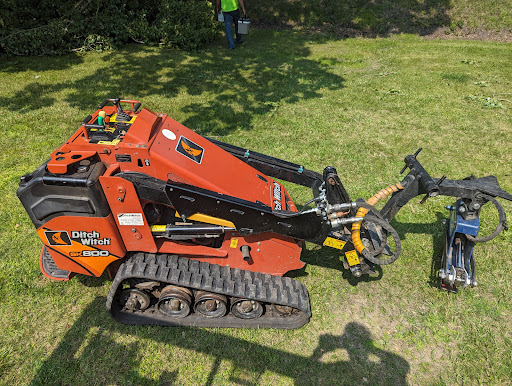
It uses a powerful rotating disc to chip away the wood, with some reaching 18 inches deep. By removing a tree’s main structure, the root system underneath will eventually decompose and nourish the surrounding soil.
Root decay has likely started if the ground sinks slightly and leaves a depression. You can easily rectify this by filling the area with fresh soil and reseeding the grass.
The Rare Instance of Resilient Residual Roots in Henning
Even though stump grinding is fairly effective, we still recommend keeping an eye on your yard for new growth. A tree root system can persist against all odds and send up new shoots. The chances become higher depending on the following:
Tree Species
Many tree types have expansive, horizontal roots extending up to 20 feet. Some are so invasive that they can even damage nearby foundations and plumbing lines. Aggressive varieties include:
- Poplars
- Maples
- Crepe myrtles
- Elms
- Oaks
- Willows
Root Network Maturity
How long have you had the tree in your yard? Older specimens with decades under their belt often have more developed, far-reaching roots. A bigger system means bigger energy reserves to fuel new growth.
Soil Fertility
Do tree roots die after stump grinding? Nutrient-rich, well-aerated soil creates an ideal environment for leftover roots to survive. This means they may sprout again quickly, especially when the ground has consistent moisture levels and optimal temperatures.
Root Regrowth Prevention Techniques
If you’re tired of pulling out unsightly tree shoots, consider these effective strategies:
Strategic Pruning
Cutting the visible portions of roots can prove highly effective, as smaller sections are less likely to survive or regrow. Use sharp tools to make the job easier and remove leftover debris that might attract pests and infestations.
Herbicide
Systemic chemical treatments control leftover roots but require careful application. Glyphosate, for example, works by blocking an enzyme needed for plant growth. Avoid this option for areas with nearby plants, since even a little overspray can impact their health.
Complete Removal
The last resort is to remove every part of the root system. Although time- and labor-intensive, it guarantees the issue will not return. Experts rarely recommend this route because it greatly disrupts the surrounding soil structure.
Trusted Stump Removal Specialists in Henning
Do tree roots die after stump grinding? At Tree Trimmers, we always recommend working with experienced professionals for safe, long-term solutions. Our team minimizes damage to your landscape and can recommend the best methods for addressing stubborn roots.
Call (218) 205-2229 today or explore more of our blog and learn the impact of cutting tree roots.